The Best Knee Exercises For Runners To Prevent Knee Pain: Stretches For Recovery
Various health professionals advised stretching before & after “running and workouts” to reduce injury risks.
Deborah Lynn Irmas, a personal trainer, based in Santa Monica, California, said to avoid knee pain, warm up with a light jog before running, which helps your body ease into training.
Are You A Beginner In Running?
Remember…
- run every day
- commence with a “running and walking” combo
- start with 20 minutes of running
- gradually increase the running time (no more than 5 mins every 14 days)
Select the Running Appropriate Shoes
Wear shoes that fit properly while running, which include a neutral foot shape, low foot arch, or high foot arch.
Changing your running shoes every 350 to 500 miles is recommended regardless of your shoe type.
Though there’s little evidence that shoes reduce injury risks, but getting the right pair will definitely help prevention!
Best Exercises to Prevent Knee Pains
Knee Bends
Strengthen your muscles around the knees for support with knee bends.
Place a ball between your back and the wall for a smoother movement and do 10 repetitions of three sets.
Squats
Hip-stabilizing muscles that are weak can increase your injury risks. Therefore, squats are your best go-to exercise as they strengthen your hip muscles.
Perform three sets of 10 repetitions regularly.
Hamstrings
The hamstring is not just a name for an exercise; we all have the “hamstring muscles” in our bodies that run down the back of our thighs. Pull or sore hamstrings might be expected for you if you’re a runner. But no worries, with the preventive stretches, you can avoid injury.
Perform hamstring for each leg three times.
Post Injury Prevention Tips
Immediately stop running whenever you feel pain or discomfort. Use the method mentioned below to treat injuries. And if the pain persists for more than a few days, consult medical advice ASAP.
- Avoid exercise for at least 48 hours to give rest to the injury.
- Apply an ice pack for 20 minutes to the injured area (four to eight times daily).
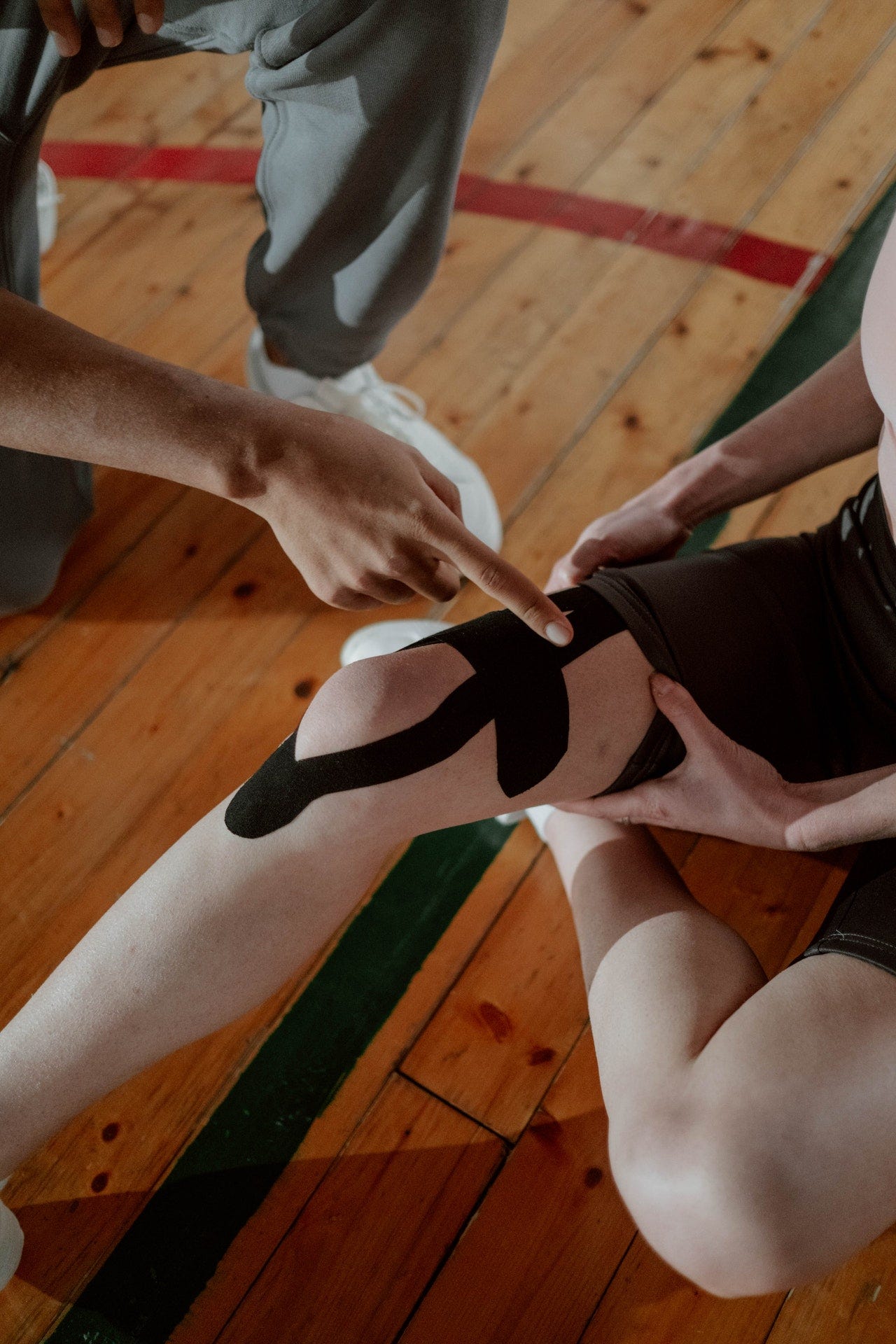
- To reduce swelling and support the injury, use a cast, splint, or wraps.
- To decrease swelling, lift the injured area above heart level.
Image Source: Pexels


Comments
Post a Comment